Use the arrows or the controls to turn pages. The download button opens a complete print-ready edition that can be saved as a PDF.
THE LEX GUARDIAN
WEEK 3 MAGAZINE
19–26 SEP 2026CONTENTS
01Rajasthan’s Urban Verdict: BJP Leads, Congress Closes the Gap
02UPI Is No Longer Entirely Free: What India’s New MDR Regime Means for Digital Payments
03The Twin Flowers Frozen: Bengal’s TMC Split Enters a New Electoral Chapter
04₹10,000 Crore Question: Congress Demands JPC Probe into Alleged Political Donation Tax Racket
05Six Years Later, the Disha Salian Case Reopens: A ₹500-Crore Notice Adds a New Legal Battle
06NSE IPO: 90% Subscribed, NII Fully Booked — What Investors Need to Know Before September 21
07Who Pays for Growth? Centre, States Prepare for a New Financing Roadmap
08Mawa in Trucks, Sweets in Shops: Maharashtra’s Festival Food Crackdown Exposes a Bigger Safety Question
09Tata’s Boardroom Twist: Chandrasekaran Returns, but the Bigger Battle Is About Control
10A Farmhouse, a FIR and a Political Fallout: What We Know About the Thane Gang-Rape Case
26 SEP 2026 · 6 MIN READ
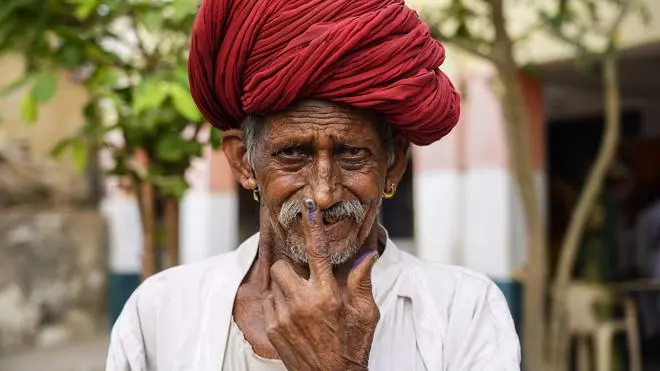
Rajasthan’s Urban Verdict: BJP Leads, Congress Closes the Gap
By LEX GUARDIAN POLITICS DESK
The BJP emerged as Rajasthan’s largest urban force, but a narrow vote gap and a strong independent presence point to a much more competitive picture.
Rajasthan’s latest urban local body elections have delivered a politically significant but closely fought verdict. The BJP has emerged as the largest force across the state’s urban landscape, yet the narrow gap between the BJP and Congress vote totals makes this far more than a simple victory-versus-defeat story.
For the first time, Rajasthan voted across 309 urban local bodies in one common exercise involving more than 1.44 crore voters. Of 10,245 wards, polling ultimately took place in 10,244 after one ward was deferred because all candidates withdrew their nominations.
The BJP secured about 35.18% of votes, or 37,35,567 votes, while Congress received about 34.24%, or 36,35,952 votes—a gap of 99,615 votes, or 0.94 percentage points. Independents collectively received more than 29 lakh votes, around 27.38% of the vote.
Following repolling in nine wards, the BJP finished with 4,182 wards to Congress’s 3,619, while independents won 2,273. In Jodhpur, BJP and Congress were tied at 44 seats, leaving independents and an RLP councillor potentially decisive.
The result gives the BJP a clear claim to being the largest party, while Congress can point to the closeness of the vote and the independent vote. Elections for mayors and chairpersons are the next important stage, especially in closely divided bodies. The overall verdict is of an urban electorate that remains competitive, fragmented and politically diverse.

26 SEP 2026 · 7 MIN READ
UPI Is No Longer Entirely Free: What India’s New MDR Regime Means for Digital Payments
By LEX GUARDIAN POLITICS DESK
A new merchant-discount framework targets specified higher-value UPI payments, reopening the debate over who pays for India’s digital-payment infrastructure.
For millions of Indians, paying through UPI has become almost as routine as handing over cash. A new Merchant Discount Rate framework introduces charges on specified merchant UPI transactions above ₹2,000, raising a larger question about how a nationwide digital-payment system is sustained.
Under the framework described in the reports, eligible person-to-merchant transactions above ₹2,000 attract an MDR of 0.4%, capped at ₹300 on transactions of ₹75,000 or more. Person-to-person transfers and merchant payments up to ₹2,000 remain free, while qualifying small merchants remain covered by zero-MDR provisions.
Higher-value transactions represented only around 4% of merchant-payment volume in August 2026 but about 67% of total value. The policy therefore focuses on a relatively small share of payments that moves a disproportionately large amount of money.
The formal charge sits within the merchant-side ecosystem, and providers are prohibited from adding platform fees or hidden charges. Whether consumers ultimately notice a difference will depend on whether merchants absorb the cost, adjust prices or steer customers toward other payment methods.
UPI’s success has rested on simplicity and accessibility. The policy challenge is to fund technology, security and support for a system operating at extraordinary scale without undermining the low-friction experience that made it a national habit.
26 SEP 2026 · 6 MIN READ
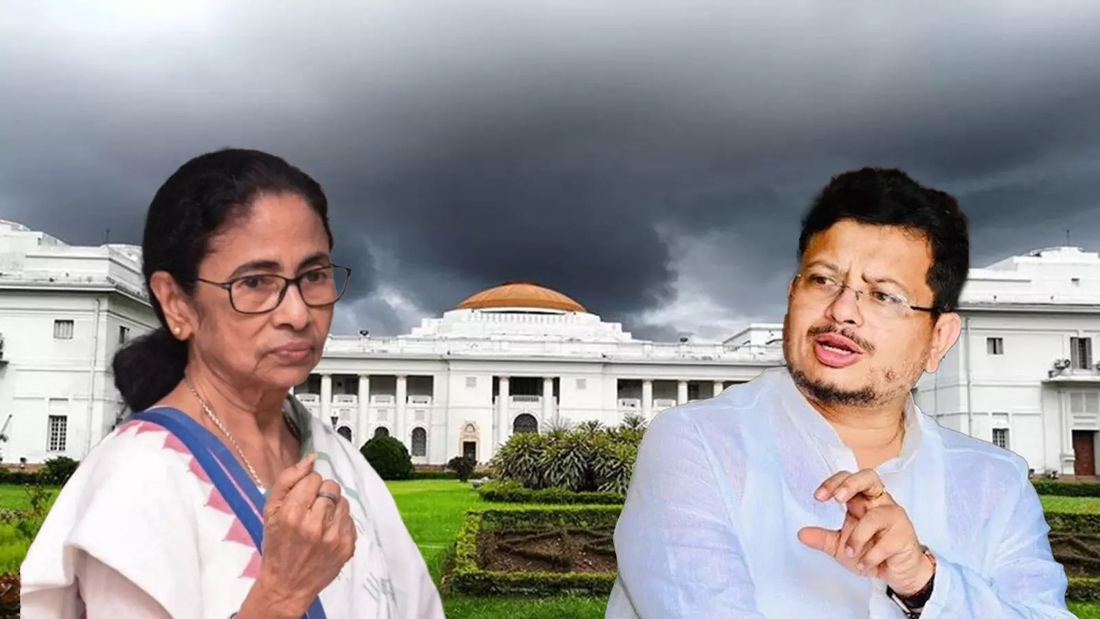
The Twin Flowers Frozen: Bengal’s TMC Split Enters a New Electoral Chapter
By LEX GUARDIAN POLITICS DESK
The Election Commission’s interim freeze on the TMC name and symbol forces rival factions to seek separate identities before scheduled bypolls.
West Bengal’s political landscape has entered an unusual phase ahead of the October 6 Assembly bypolls, with the Election Commission temporarily freezing both the All India Trinamool Congress name and its familiar Flowers & Grass symbol amid competing factional claims.
Neither faction can use the established name and reserved symbol for the two bypolls. The Commission directed the rival groups to submit preferred names and free symbols, with separate temporary identities to be allotted until it makes a substantive determination.
The dispute is being examined under Paragraph 15 of the Election Symbols (Reservation and Allotment) Order, 1968, the framework for competing claims to a recognised party’s name and symbol. The interim arrangement responds to the practical electoral problem created by both factions fielding candidates under the same identity.
The Flowers & Grass symbol has been associated with the party since its formation in 1998 and carries recognition beyond a conventional ballot mark. Losing it, even temporarily, makes voter communication and organisational coordination more difficult.
The immediate bypoll outcome will matter, but the larger question is who can establish a claim to the party’s recognised identity when the Commission completes its proceedings.
26 SEP 2026 · 5 MIN READ
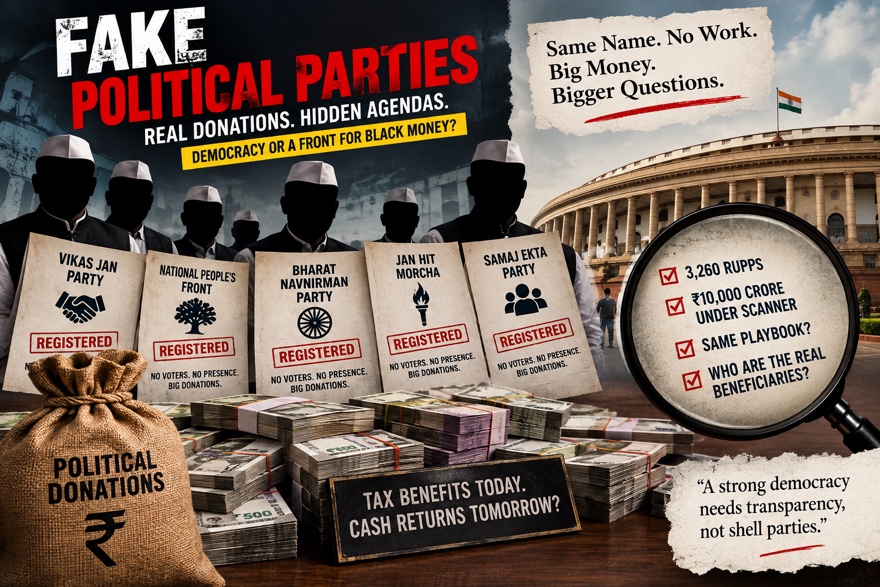
₹10,000 Crore Question: Congress Demands JPC Probe into Alleged Political Donation Tax Racket
By LEX GUARDIAN POLITICS DESK
Congress has sought a parliamentary probe into alleged misuse of political-donation tax provisions; the claims remain matters for verification and investigation.
Congress has demanded a Joint Parliamentary Committee inquiry into what it describes as an alleged political-donation tax racket. The party says the issue raises questions about tax administration, political finance and the safeguards meant to prevent misuse of exemptions.
The demand centres on allegations that donation-related provisions may have been misused to obtain tax benefits. These are political and public allegations, not findings established by a court or an independent investigation in the material supplied for this report.
A JPC is a parliamentary mechanism that can examine documents, hear witnesses and produce recommendations, but any inquiry would depend on the political and procedural steps required to constitute it.
The central public-interest question is whether existing disclosure, audit and enforcement systems are adequate to detect and deter misuse. A credible answer requires documentary scrutiny and due process rather than assertion alone.
The Lex Guardian will treat competing claims about the matter as allegations unless supported by official records, an investigation or a judicial finding.

26 SEP 2026 · 6 MIN READ
Six Years Later, the Disha Salian Case Reopens: A ₹500-Crore Notice Adds a New Legal Battle
By LEX GUARDIAN LAW DESK
A revived legal dispute has brought fresh attention to a case that has remained at the intersection of investigation, public claims and reputational litigation.
The Disha Salian matter has returned to public attention through a renewed legal battle and a reported ₹500-crore notice. The case has long involved overlapping questions of investigation, public allegations and the legal consequences of statements made about an individual and their family.
A legal notice is an assertion of a claim and a demand for a response; it is not a judicial finding. Its significance lies in the next procedural steps—whether a reply is filed, a civil or criminal action follows, and what evidence is placed before the appropriate forum.
The renewed dispute also illustrates the difficulty of reporting on high-profile cases where political commentary, social-media circulation and legal proceedings can become intertwined. The relevant standard remains the same: allegations must be identified as allegations and tested through lawful process.
For readers, the important distinction is between public controversy and legal proof. An investigation, a notice or a filing can begin a process, but none independently resolves the factual questions at its centre.
Any final assessment will depend on the record before investigators and courts, rather than the intensity of public debate around the case.
26 SEP 2026 · 5 MIN READ
NSE IPO: 90% Subscribed, NII Fully Booked — What Investors Need to Know Before September 21
By LEX GUARDIAN POLITICS DESK
The reported subscription figures place the proposed NSE offering in focus, alongside the disclosures and risk factors investors must assess before any decision.
The reported subscription position for the NSE IPO has drawn attention to one of the country’s most significant market offerings. Subscription levels can signal demand, but they are only one part of the information an investor should consider.
An IPO decision should be anchored in the offer document: the business model, governance structure, financial statements, valuation, use of proceeds and all stated risks. Market sentiment and headline subscription figures cannot replace that assessment.
For a market-infrastructure institution, regulation, technology resilience, competition and the quality of governance are especially important considerations. These factors may shape long-term value more than a single day’s subscription data.
Investors should also distinguish allocation mechanics from investment merit. High demand does not guarantee performance after listing, and every applicant should consider their own risk tolerance and financial position.
This article is explanatory reporting, not investment advice. Readers should consult the official offer materials and a regulated adviser where needed.
26 SEP 2026 · 6 MIN READ
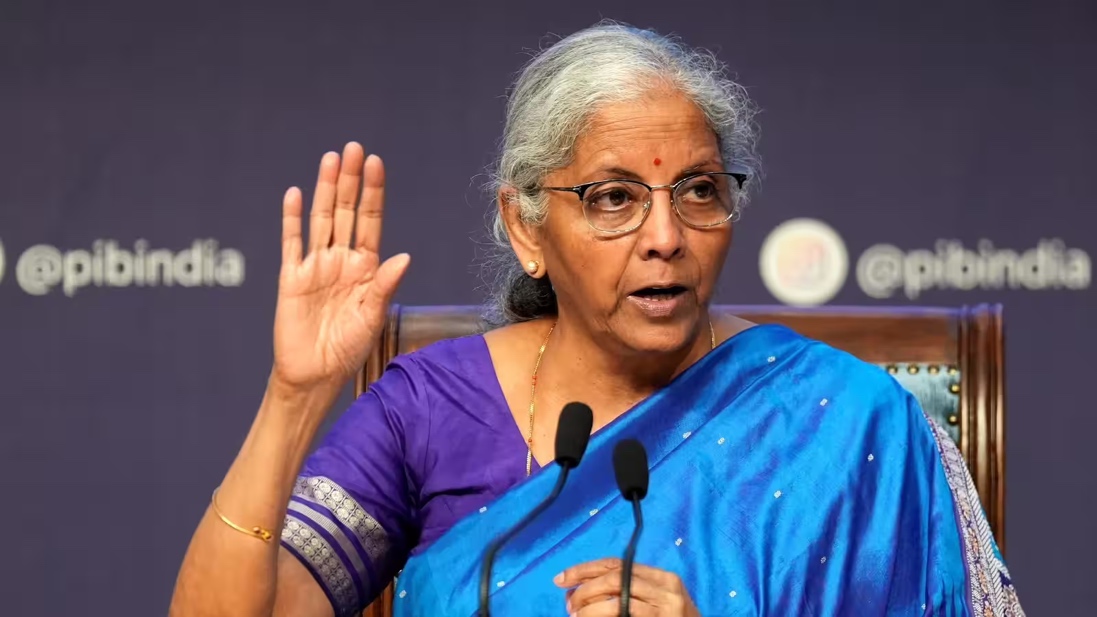
Who Pays for Growth? Centre, States Prepare for a New Financing Roadmap
By LEX GUARDIAN POLITICS DESK
The next debate over growth financing will test how the Centre and states share resources, fiscal responsibility and the capacity to fund public priorities.
A new discussion around financing growth places Centre–state fiscal relations back in focus. Infrastructure, welfare, climate resilience and urban services all require spending, but the capacity to raise and deploy funds is divided across different levels of government.
The central tension is familiar: states carry many frontline responsibilities while the Centre controls important revenue levers and borrowing frameworks. A workable roadmap must address transfers, fiscal space, accountability and the quality of spending together.
The question is not only how much money is available, but whether it reaches projects and public services in a way that is transparent, timely and sustainable. Borrowing can fund productive investment, but it also creates future obligations.
A durable approach needs clear rules, reliable data and a collaborative federal process. Without those, the debate risks becoming a contest over shares rather than a plan for outcomes.
The next financing roadmap will be measured by whether it helps governments invest effectively while preserving financial discipline and public trust.
26 SEP 2026 · 6 MIN READ
Mawa in Trucks, Sweets in Shops: Maharashtra’s Festival Food Crackdown Exposes a Bigger Safety Question
By LEX GUARDIAN LAW DESK
Maharashtra FDA inspections put storage, labelling, hygiene and enforcement under focus as festival demand increases across the state.
As Maharashtra enters the festival season, the Food and Drug Administration has intensified inspections targeting food-safety, hygiene, licensing and labelling violations. The campaign has focused on the long journey food makes before it reaches a consumer’s plate.
In one statewide drive, the FDA reported seizing 2,813 kg of milk and milk products, including khowa, mawa, rabdi and sweets, citing alleged unhygienic storage and inadequate temperature control. Other operations involved products described as substandard or misbranded.
The regulator also reported inspections of hotels and restaurants, with licence suspensions and improvement notices issued after alleged deficiencies in food handling, storage, sanitation, employee training and mandatory water-testing records.
The enforcement action is a reminder that festival food safety begins with production, transport, storage and labelling—not only at the sweet-shop counter. The reported violations remain subject to the applicable regulatory process and any responses by the establishments concerned.
For consumers and businesses alike, the wider lesson is clear: high demand makes compliance more important, not less.

26 SEP 2026 · 6 MIN READ
Tata’s Boardroom Twist: Chandrasekaran Returns, but the Bigger Battle Is About Control
By LEX GUARDIAN LAW DESK
A proposed new tenure for N. Chandrasekaran has put the relationship between board authority, shareholder approval and the Tata Sons structure in focus.
The Tata Group’s leadership story has taken an unexpected turn. N. Chandrasekaran, who had announced that he would not seek another term as chairman of Tata Sons, has reportedly been backed by the board for a fresh five-year tenure.
According to the reports provided, the board voted 4–1 in favour of reappointment. But a board decision does not by itself complete the process: Tata Trusts chairman Noel Tata has recorded dissent and shareholder approval remains significant because Tata Trusts collectively hold about 66% of Tata Sons.
The central question is therefore not simply whether a chairman is reappointed, but how authority is allocated where a board and a controlling shareholder do not appear fully aligned. That question sits at the core of corporate governance.
The episode also unfolds alongside reported regulatory pressure concerning Tata Sons’ status as a Core Investment Company and a possible listing. A listing could bring additional disclosure and investor scrutiny to a historically private holding company.
The broader lesson is that a boardroom vote is often one stage in a larger process governed by company documents, shareholder rights and applicable law.
26 SEP 2026 · 6 MIN READ
A Farmhouse, a FIR and a Political Fallout: What We Know About the Thane Gang-Rape Case
By LEX GUARDIAN LAW DESK
An FIR concerning allegations against a former legislator and a dismissed police constable begins an investigation; it is not a finding of guilt.
A serious criminal case in Maharashtra has brought a former legislator and a dismissed police constable under investigation after a 22-year-old woman alleged that she was sexually assaulted after being taken to a farmhouse in Bhiwandi and threatened with a firearm.
An FIR has been registered at Padgha police station on allegations including gang rape and criminal intimidation. An FIR records allegations and starts a criminal investigation; it is not, by itself, a finding of guilt.
According to the complaint described in reports, the woman had approached the former legislator over a marital dispute before she was allegedly taken to a farmhouse. The allegations are now for investigators to examine through statements, digital material, medical and other evidence, and the procedures required by law.
The former legislator has denied the allegations, calling them false and politically motivated, and has stepped down from party positions. That denial is his stated position; the underlying case remains under investigation.
For all involved, the criminal-justice process—not public commentary—will determine what can ultimately be established. The Lex Guardian will continue to distinguish allegations from findings.